


How Rihanna Learned From Failure That Wasn't Hers
The facts are nearly identical. One million copies subsidized by a hardware company. An artist's credibility funding a brand's cultural relevance. A superstar's album becoming instantly profitable. In 2013, this was a scandal. In 2016, this was a masterclass.
The difference was in the architecture. The Magna Carta app demanded system-level permissions. The ANTIdiaRy website required only browser access. The difference was in the narrative frame. Magna Carta was about business rules. Anti was about artistic evolution. Jay-Z's fans experienced a transaction. Rihanna's fans experienced a gift.
For my money, that's the lesson: make the corporate machinery serve something larger than itself. Make it transparent. Make it meaningful. That's what happened when Rihanna learned from a failure that wasn't hers.
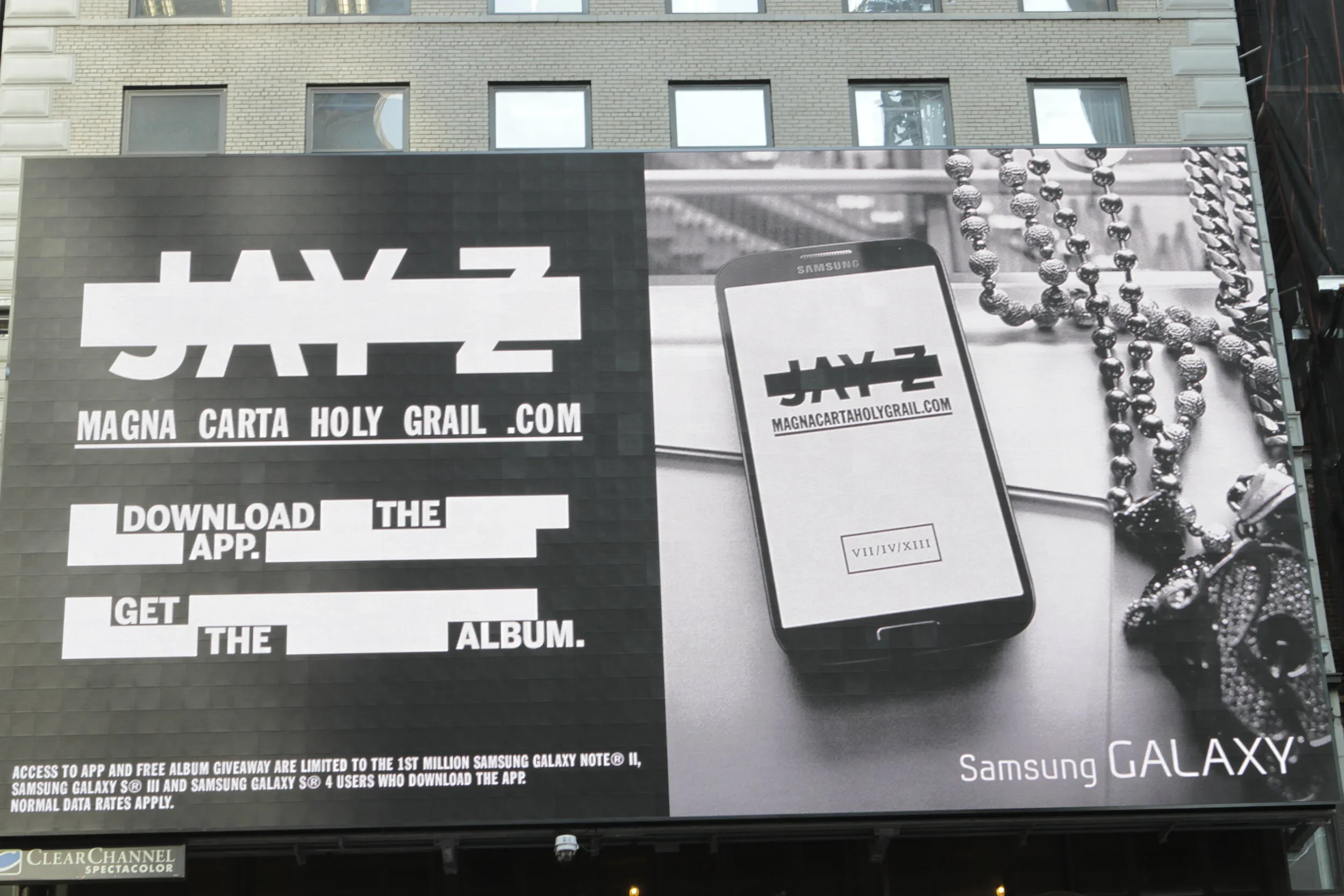
The Day Jay-Z Taught Us What Consent Actually Costs
July 4, 2013. 12:01 a.m. EST. Servers crashed.
One million people tried downloading simultaneously. The login failed. The "White Glove" experience shattered into error messages. Fans had already surrendered location data, call logs, and social identity. They had already clicked "I agree." And got broken servers in return.
Within hours, the album leaked to BitTorrent. Over 200,000 downloads in a single day through torrent sites. When the official path is more difficult and invasive than the unofficial path, people will choose the unofficial path. Every time. You had built friction where you needed to build trust.
In the digital age, the most valuable commodity is consent. Once consent is weaponized, once it becomes a data source instead of a voluntary agreement, even the world's biggest artist can't fully mask what's happening underneath.
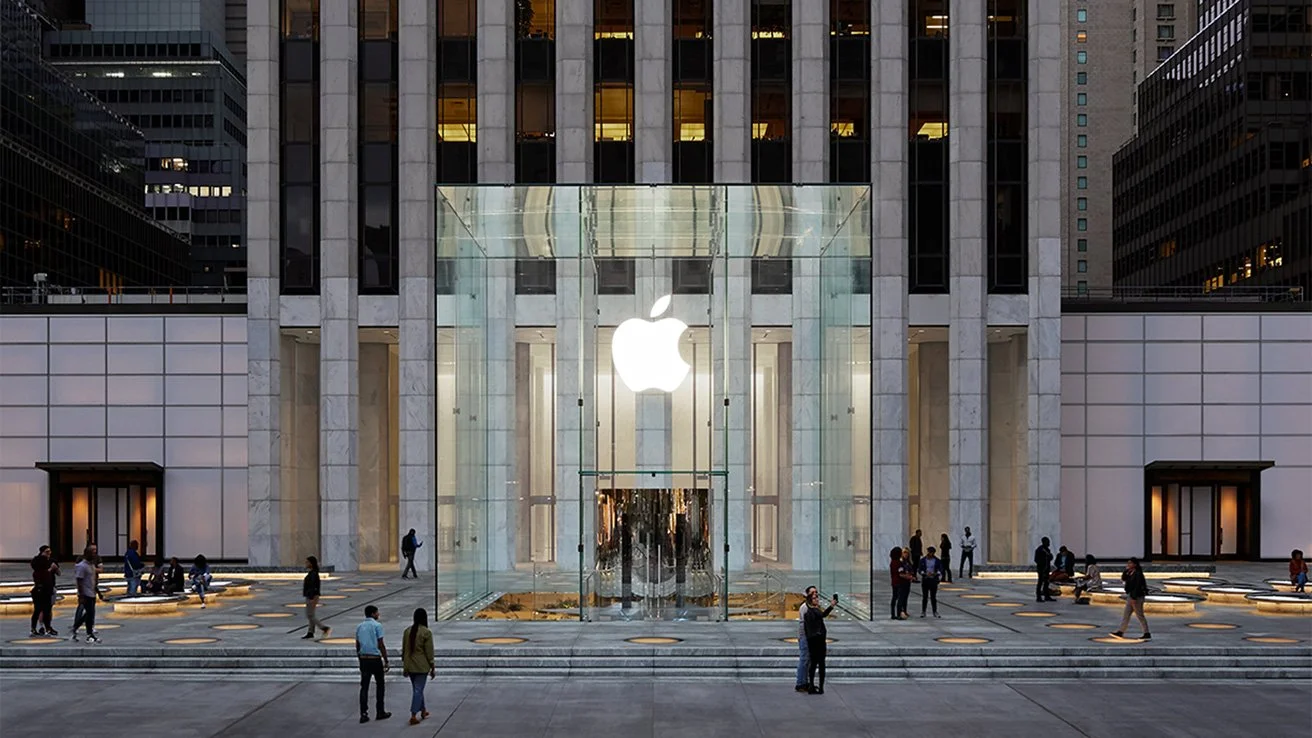
Apple Store Design Psychology: What's Really Going On in There
I've spent enough time in Apple Stores to notice something. Every inch of that place is a decision. Here's what those decisions are actually for.

Sylvia Harris Knew Bad Design Was a Political Act
Sylvia Harris spent her career fixing the forms and signs that lock people out. She called it Citizen Design. It was a civil rights argument the whole time

Sony Got the X Button Right. The Rest of the World Decided Otherwise
Sony designed the PlayStation X button to mean no. Western developers used it to mean yes. A cross-cultural design problem 27 years in the making.

Dieter Rams Called It in 1976. Nobody Listened.
Dieter Rams predicted we'd fill the world with chaos and junk. His principles built Apple. The rest of the market ignored him. Here's why that matters.